
Can heavy rain trigger septic backup symptoms in Abbotsford? What to check first
Yes—heavy rain can trigger or expose septic symptoms when the soil around a disposal field becomes saturated and has less capacity to accept wastewater. Rain does not prove that every puddle is a failed septic field, though. The important clues are whether indoor drains, alarms, sewage odours, or recurring wet areas appear at the same time.
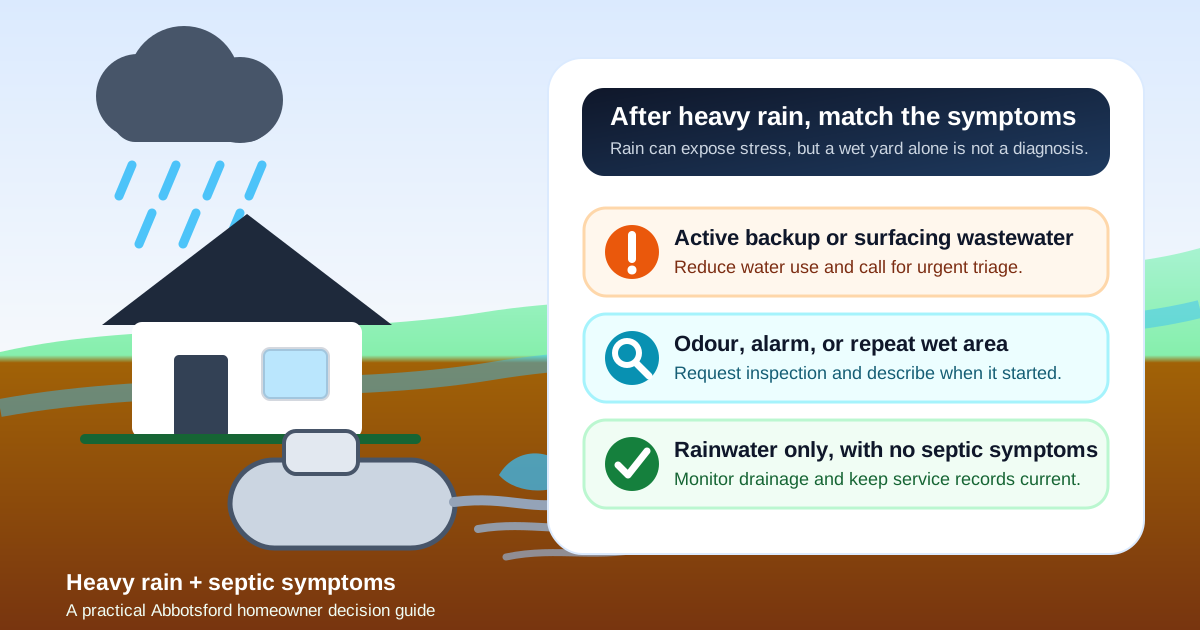
Abbotsford properties can move from dry conditions to soft or saturated ground quickly during a rain transition. That matters on acreages and rural-edge lots in Matsqui, Sumas Prairie, Bradner, Mount Lehman, Clayburn, Aberdeen, East Abbotsford, and West Abbotsford, where the tank and disposal field may sit well away from the house. Heavy rain can reduce the field’s short-term ability to absorb wastewater, reveal an already stressed system, or simply create ordinary surface puddling. The checks below help separate those situations without guessing.
Start with the symptom, not the weather
What to do first when a backup is active
If toilets, tubs, showers, floor drains, or laundry drains are backing up, treat the symptom as urgent rather than waiting for the rain to stop. Use only essential water until the issue is triaged. Pause laundry, dishwashing, long showers, repeated flushing, and other heavy water use that can add pressure to the system.
- Keep people and pets away from sewage or surfacing wastewater. Avoid direct contact with contaminated water and wet soil.
- Do not open or enter the tank. Septic tanks contain dangerous gases and confined-space hazards.
- Do not handle wet electrical controls. If a pump panel, alarm box, or electrical equipment has been exposed to water, leave it for a qualified person.
- Call with specific details. Say which fixtures are affected, whether wastewater is surfacing, when the symptoms began, and whether each new use of water makes them worse.
For active indoor backups, surfacing wastewater, or several fixtures failing together, use the emergency septic service path and call (778) 312-3314 for the fastest triage.
How heavy rain can expose a septic problem
A disposal field relies on unsaturated soil to receive and treat wastewater. When surrounding soil is already holding a large amount of rainwater, the system can have less room to accept new household flow. A healthy system may show no change, while a marginal, overloaded, poorly drained, or already stressed system may show slow drains, an alarm, odour, or wastewater surfacing.
The timing is useful evidence, but it is not a diagnosis by itself. Rain may be the trigger that makes an existing weakness visible rather than the sole cause of the problem. That is why symptoms that return after several storms, continue after the yard dries, or came back after recent pumping are better suited to septic inspection and troubleshooting than another guess.
Rainwater or septic wastewater? Check for these clues
Do not walk through a suspect area to investigate it closely. Observe from a safe, dry location and note the pattern for the service request.
- Location: Is the wet area over or near the known tank or field, or is the whole yard collecting rainwater in ordinary low spots?
- Odour: Is there a sewage smell near the same area, at drains, or around the tank?
- Indoor changes: Are toilets gurgling, multiple drains slowing, or lower fixtures backing up?
- Alarm status: Did an alarm light or audible alarm begin during or after the rain?
- Repeat pattern: Does the same wet area return after each storm or remain wet longer than the surrounding ground?
- Recent history: Was the tank pumped recently, is the service date unknown, or have similar symptoms happened before?
The existing guide to wet spots over an Abbotsford septic field explains why a repeat patch deserves attention even when there is no indoor backup yet.
Should the tank be pumped immediately after heavy rain?
Not automatically. Pumping may be appropriate when a tank is due, but it is not a universal fix for rain-related symptoms. When the ground around a tank or field is flooded or saturated, site conditions can also affect safe access and the timing of pumping. Ask for triage before assuming an immediate pump-out is the correct first action.
If the tank is simply overdue and there are no active backups, alarms, odours, or wet-field concerns, use the septic tank pumping lane. If symptoms repeat after a recent pump-out or follow wet weather consistently, describe that pattern and request inspection instead.
Protect the field while the ground is soft
- Keep vehicles, trailers, and heavy equipment off the suspected septic field and soft access areas.
- Do not dig, probe, or remove lids to investigate the system yourself.
- Avoid sending roof downspouts, sump discharge, or extra irrigation toward the tank or field.
- Spread essential water use out rather than running laundry, showers, and dishwashing together.
- Record what changes as the rain ends: drain speed, alarm status, odour, and whether the wet area recedes.
What to include in an Abbotsford service request
You do not need to diagnose the cause. A short, specific symptom report is more useful than writing only “septic problem after rain.” When you request septic service online, include:
- The property address and Abbotsford area
- Whether the issue is active now or happened during the last storm
- Which fixtures are slow, gurgling, or backing up
- Any alarm, sewage odour, or wastewater surfacing outside
- The last known pump-out or inspection date
- Whether the tank and field locations are known
- Soft-ground, gate, driveway, slope, livestock, or access limitations after rain
For properties that are stable now but have an unclear history, use the septic maintenance page to plan records and routine service before the next wet-weather cycle. The Abbotsford service-area page also outlines the local property and access details that help with a request.
Septic symptoms started after heavy rain?
If sewage is backing up, wastewater is surfacing, or several fixtures are failing together, call (778) 312-3314 for urgent triage. For an alarm, odour, recurring wet area, or non-active drainage concern, use the request service form and include the weather timing and symptom details.