
The homeowner is not in a full emergency — they just know the tank is due, the history is fuzzy, or drainage has gotten a little sluggish. For a deeper timing walkthrough, use the Abbotsford acreage pumping frequency guide.
Routine septic service
Septic tank pumping in Abbotsford, BC
Request routine pumping when the tank is due, service history is missing, or you want to reset the maintenance record. Review the details that can affect an Abbotsford pumping quote before sending your request. If symptoms keep returning, compare with inspection and troubleshooting before assuming another pump-out is the whole answer.
Warning signs
Signs it may be time to pump your tank
- Slow drains across the house
- Sewage odours near the tank or drain field
- Wet patches or unusually lush growth around the septic area
- It has been several years since the last service
- You do not know the pumping history for the property
What to expect
What a pumping appointment should help clarify
A pumping visit can remove accumulated tank contents, confirm access conditions, and identify obvious concerns that may warrant inspection or repair follow-up.
- Review the property details and access notes
- Pump the tank and note obvious concerns
- Flag whether inspection or repair follow-up makes sense
What helps the request go faster
Useful details to include with a pumping request
Routine visit cues
What “routine pumping” usually looks like on a real property
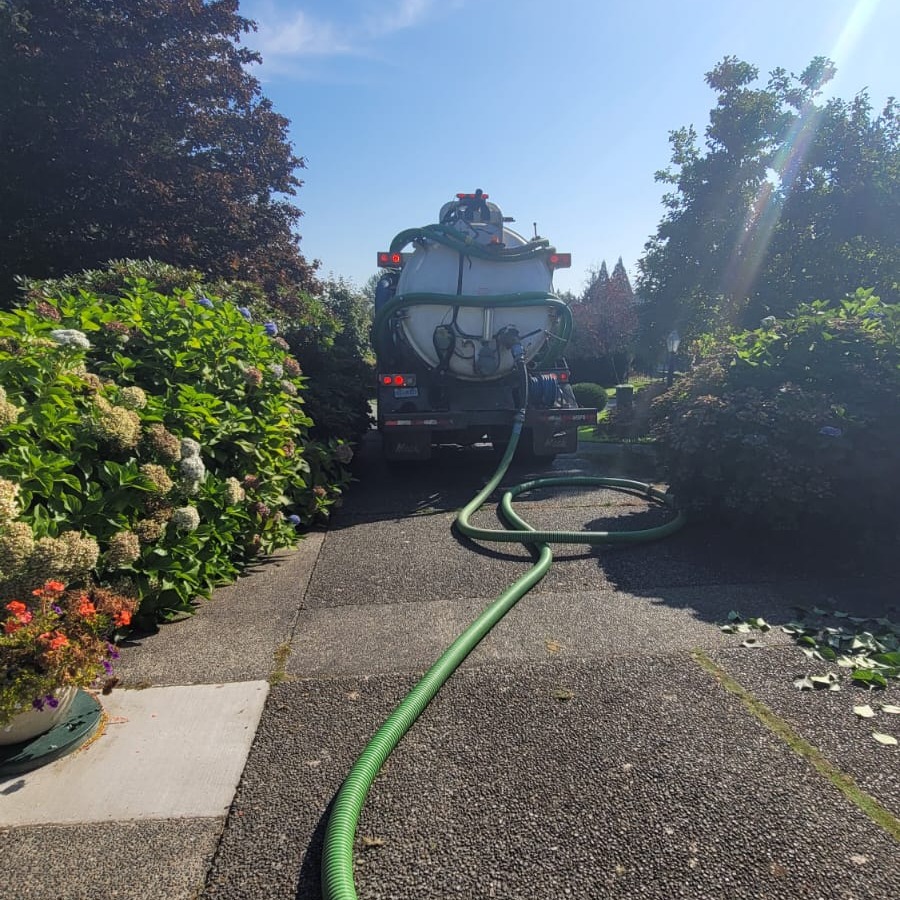
Long driveway
Unknown records
Tank lid access
Slow drains, not a crisis
Driveway length, gates, landscaping, and tank-location notes help the request reflect how service actually happens on Abbotsford homes and acreages.
Recurring odours, alarms, wet spots, or drainage problems may need inspection rather than another routine pump-out alone.
Best when the tank is due, records are fuzzy, or the property simply needs a maintenance reset.
Long driveways, gates, lid access, and tank-location details help prepare for the property before arrival.
If alarms, recurring odours, or active backup signs are leading the story, inspection or emergency help is the stronger page.
Last known pump-out date
If records exist, add them. Even rough timing helps create a better picture of the system.
Access notes
Mention gates, long driveways, recent landscaping, or anything that affects locating or reaching the tank.
Current symptoms
Slow drains, odours, or wet areas should still be noted so the request is not treated like a generic pump-out only.
Need a different service lane?
Use the page that matches the symptom pattern
Best when odours, wet spots, or repeat drain issues keep returning and you need troubleshooting, not just routine service.
Use this route if sewage is backing up indoors, multiple fixtures fail together, or wastewater is actively surfacing outside.
Keep this page nearby when the system is stable and you are trying to stay ahead of future pumping and inspection needs, especially if you are rebuilding records with the acreage pumping frequency guide.
Contact details
Online intake is ready now
Use the request form for routine pumping details, or call if the situation is moving quickly and you want a faster first triage.
Next step
Request septic pumping online
A tank that is overdue, a recently purchased home with incomplete records, or a maintenance reset after too much guesswork.
If multiple fixtures are backing up or odours and wet spots keep returning, the inspection or emergency pages should stay one click away.
Keep the next step simple: open the form, describe the property, and say whether the need is routine, urgent, or uncertain. If the symptoms sound less like routine pumping and more like a diagnosis problem, the inspection page is the better match. If sewage is backing up indoors or wastewater is surfacing, jump to the emergency septic help page instead of treating it like a standard pump-out.
FAQ
Septic pumping questions
How do I know if I need pumping or an inspection?
If the system is simply due, pumping is usually the right starting point. If you have repeated odours, wet ground, alarms, or symptoms that do not clearly point to normal tank maintenance, the inspection page is the better fit.
Is pumping relevant when I just bought an Abbotsford property?
Yes. If maintenance records are missing or uncertain, pumping can be a practical reset point and a chance to note what kind of follow-up the system may need.
Can I mention emergency symptoms on the request form?
Yes. The request page includes service categories and symptom checkboxes so urgent backup issues, inspections, and routine pumping requests can all flow through the same request path.
Before a pumping visit
Property details can make routine service easier to plan
Share access conditions, tank-location details, service history, and any current symptoms before the visit.
Routine service with fewer surprises
Clear property notes and symptom details help turn a pumping request into a more accurate first conversation instead of a vague guess about what is needed.
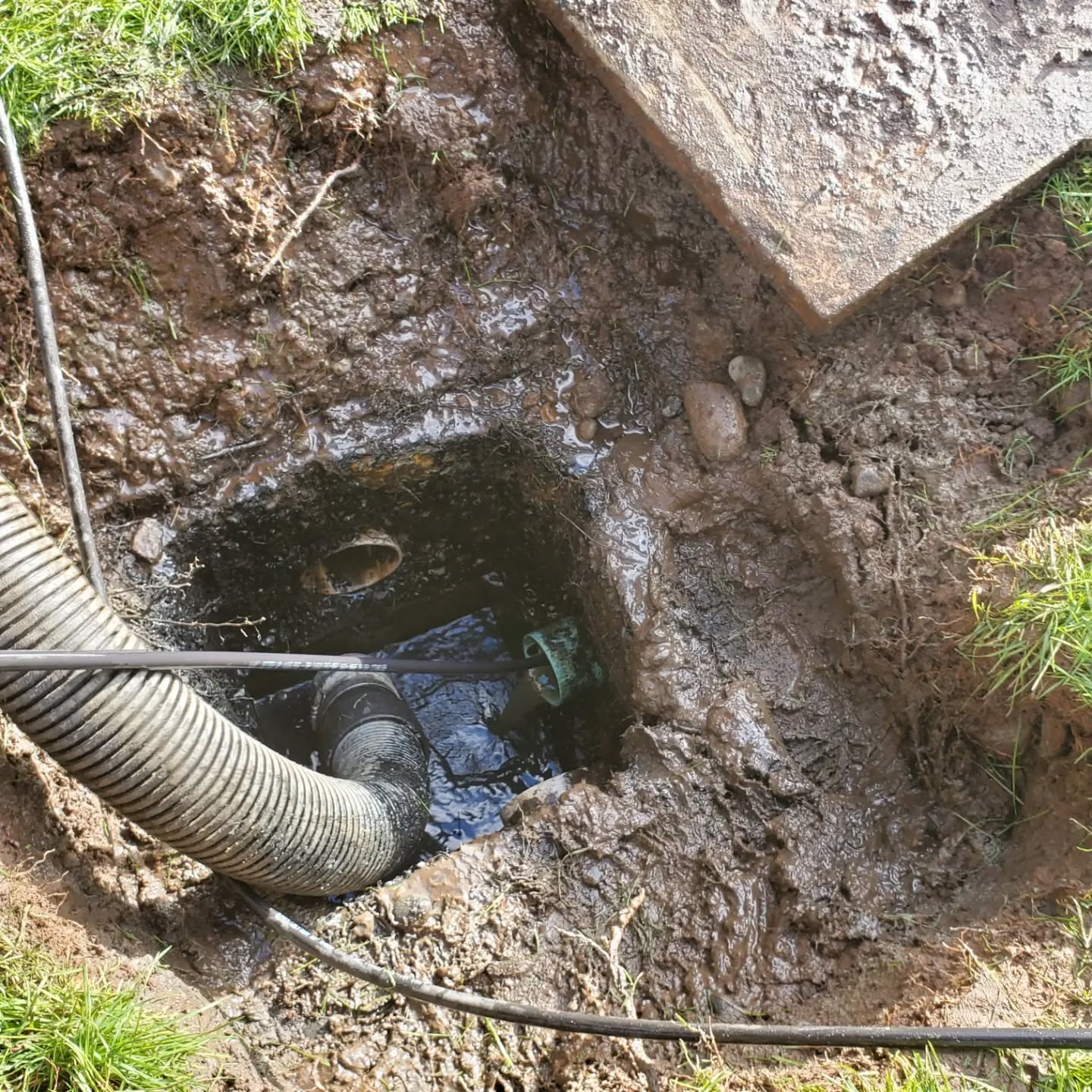
When troubleshooting may be needed
If odours, alarms, wet spots, or repeat drain issues keep showing up, request inspection help instead of assuming routine pumping will resolve the cause.