
The records are fuzzy, the tank location is only roughly known, and the owner wants a practical baseline instead of guessing.
Preventative septic service
Septic maintenance & pumping frequency guidance in Abbotsford, BC
Plan septic service before a backup, overflow, or mystery smell forces a rushed decision later.
Why maintenance matters
Plan ahead before small septic issues become expensive
Plan around tank size, household use, system condition, service records, and any changes in drains, odours, alarms, or yard conditions.
- Keep records of pump-outs, inspections, and repairs
- Note household or water-use changes
- Protect access points and the drain field
- Request service before small warning signs become urgent
Good homeowner habits
Simple things that protect a septic system
- Keep a record of the last pump-out date
- Watch for drainage changes before they become a backup
- Avoid treating the system like a garbage can
- Protect the drain field from repeated vehicle traffic
Maintenance planning cues
Common maintenance situations worth sharing
Unknown service history
Long driveway access
New owner
Trying to avoid emergencies
There may be gate, yard, or driveway details worth sharing before a routine visit, even when nothing feels urgent. The acreage pumping frequency guide gives owners a simple way to organize those details.
Drainage feels a bit slower or the yard seems different, so the owner wants to act before the problem gets expensive or messy.
A practical maintenance rhythm
A simple rhythm for staying ahead of septic problems
Planned septic care works best when it combines service records, property-access notes, small warning signs, and cautious guidance without one-size-fits-all promises.
Plan with the property in mind
Build a maintenance record you can use later
Keep service dates, access notes, household-use changes, and warning signs together so future pumping or inspection decisions are easier.
Larger lots, long driveways, and unknown tank locations are treated as normal context, not edge cases.
The guidance stays cautious because pumping frequency depends on the home, usage, and service history.
Homeowners who want preventative service are not dropped into the same tone as an active backup emergency.
When the owner is ready, the same request form captures maintenance notes without forcing a phone-first interaction.
Track service history
Know when the tank was last pumped and keep the records somewhere easy to find before memory gets fuzzy.
Notice small warning signs
Slow drains, odours, or wet spots are easier to deal with early than after a full septic backup.
Schedule before there is a crisis
Planned pumping and maintenance requests are easier for everyone than emergency calls after the system fails hard.
When requesting planned service, gates, longer driveways, yard access, and tank-location uncertainty are normal Abbotsford property details worth sharing.
Fuzzy service history is common, especially for new owners or older properties. A practical pumping-frequency reset article can help you decide what to share next.
Slow drainage, odours, and wet spots sit inside a clearer planning framework that nudges homeowners to act before the issue becomes an emergency.
When maintenance is no longer the best fit
Use the page that matches what the property is doing now
Recurring odours
Alarm light
Wet area
Backing up now
Choose the inspection page when the system smells wrong, the same issue keeps returning, or you need a better diagnosis before assuming routine pumping is enough.
Choose the emergency page when multiple fixtures fail together, sewage backs up indoors, or wastewater is surfacing outside right now.
Shared contact details
Plan ahead without friction
Use the request form for planned maintenance questions, or call if you want to talk through the property and service history first.
Next step
Use the request form for planned service too
The request path is not only for breakdowns. Abbotsford owners who want a maintenance reset or have questions about timing can use the same request flow and note that the visit is preventative rather than urgent. If you already have slow drains, odours, or wet spots, move to the inspection page or emergency help page instead of treating it as routine maintenance.
FAQ
Maintenance questions
How often should an Abbotsford septic tank be pumped?
There is no one-size-fits-all interval. Household size, tank size, water use, system condition, and service history all affect pumping frequency. If records are missing, request service to establish a practical maintenance baseline.
Can I request maintenance if the service history is unknown?
Yes. Missing records are common after a property purchase. Share what you know about the system, tank location, household use, and any current symptoms.
What if the system is already showing warning signs?
Request inspection for recurring odours, alarms, wet areas, or unclear drainage problems. Call for urgent triage if sewage is backing up, wastewater is surfacing, or several fixtures fail together.
Maintenance details
Keep access and service information up to date
Tank location, lids, lines, alarms, yard conditions, and previous service notes can all matter during future maintenance.
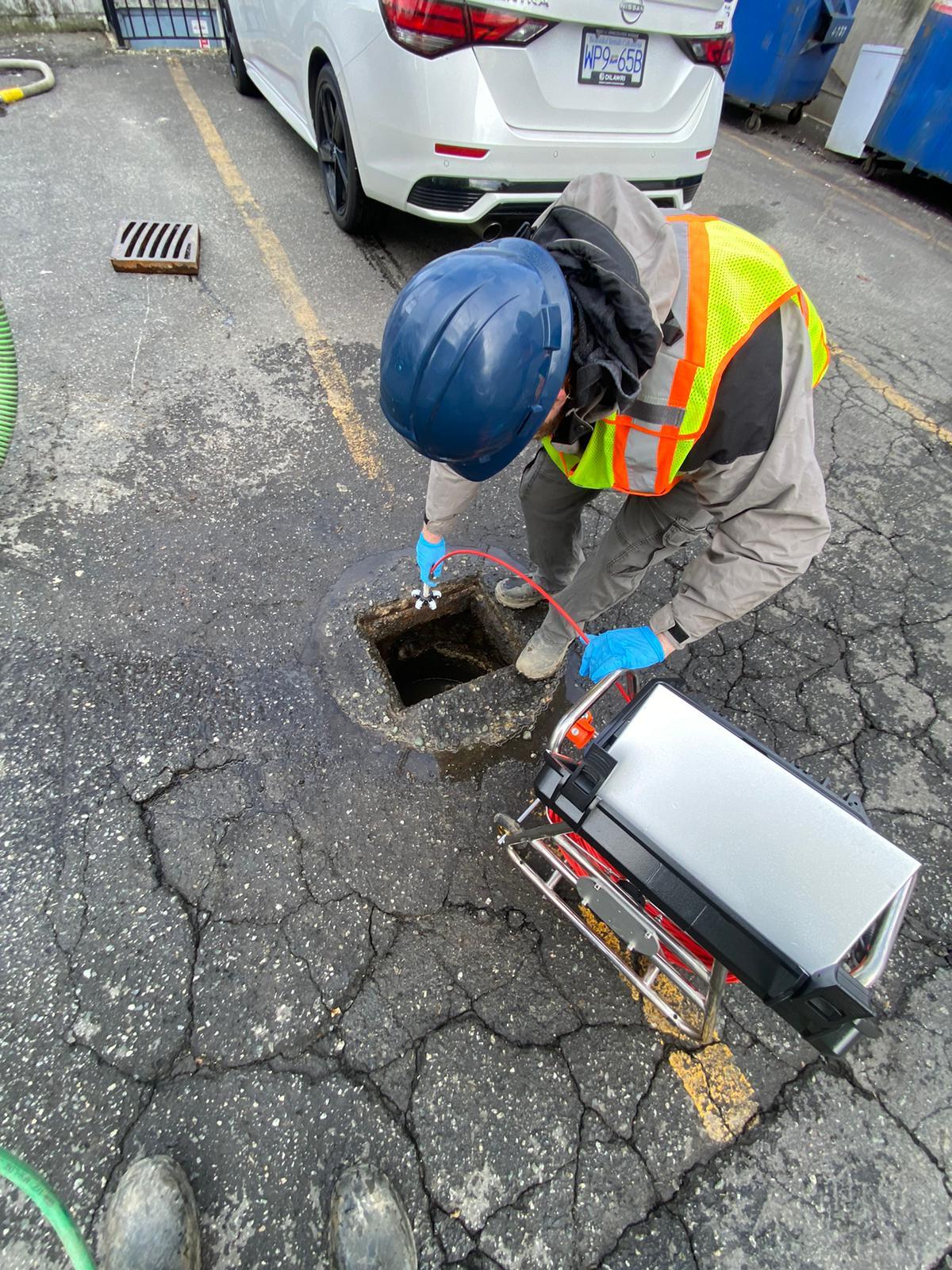
Maintenance starts in the field
Real service imagery helps maintenance planning feel tied to actual property visits and equipment checks.
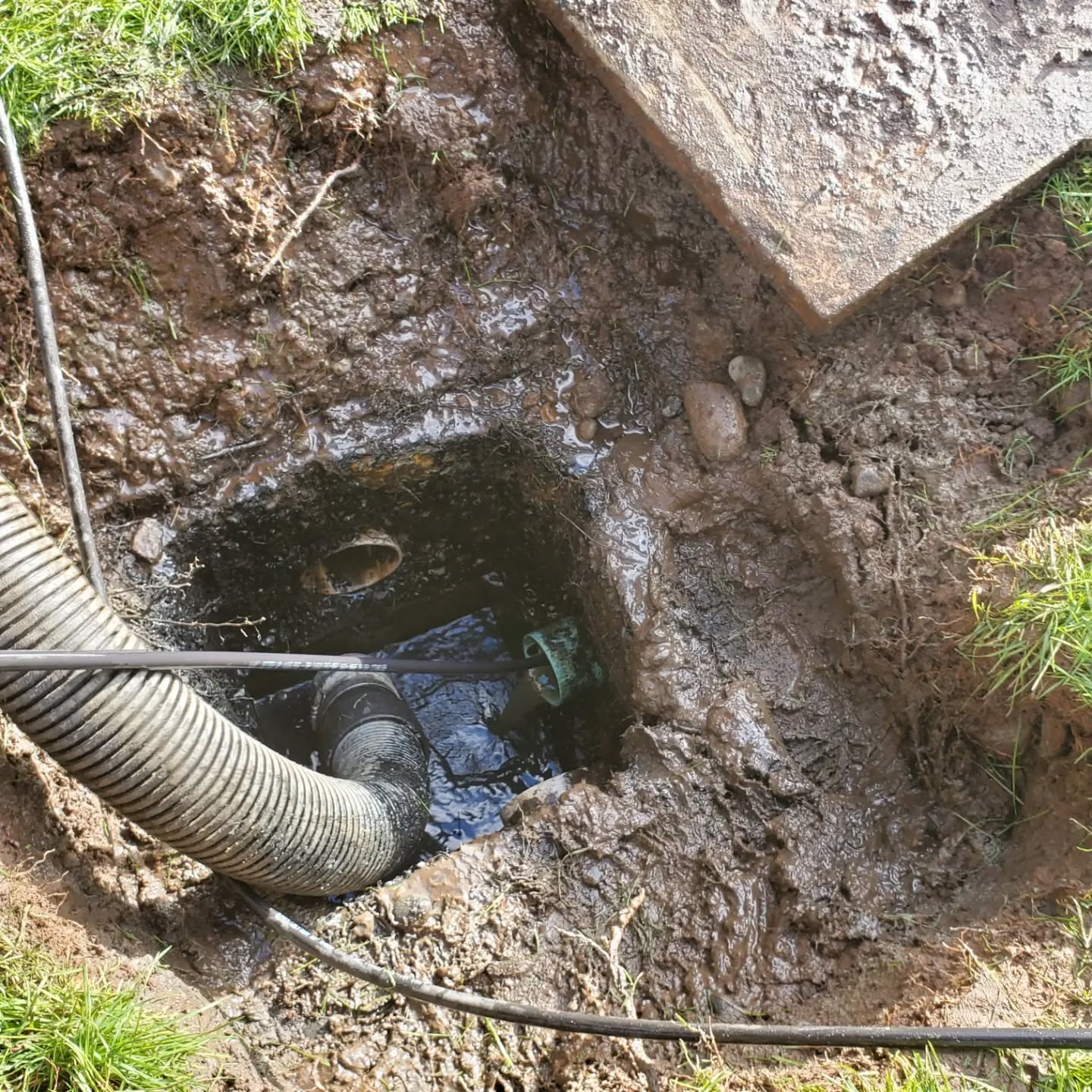
Maintenance field context
Real field context helps homeowners connect planning advice to actual service visits.