
Septic smell outside in Abbotsford? When to request help
Outdoor sewage smell is one of the clearest reasons to slow down and document what is happening. The right next step depends on where the odour is strongest, whether drains or alarms are involved, and whether wastewater is surfacing near the tank, field, or yard.
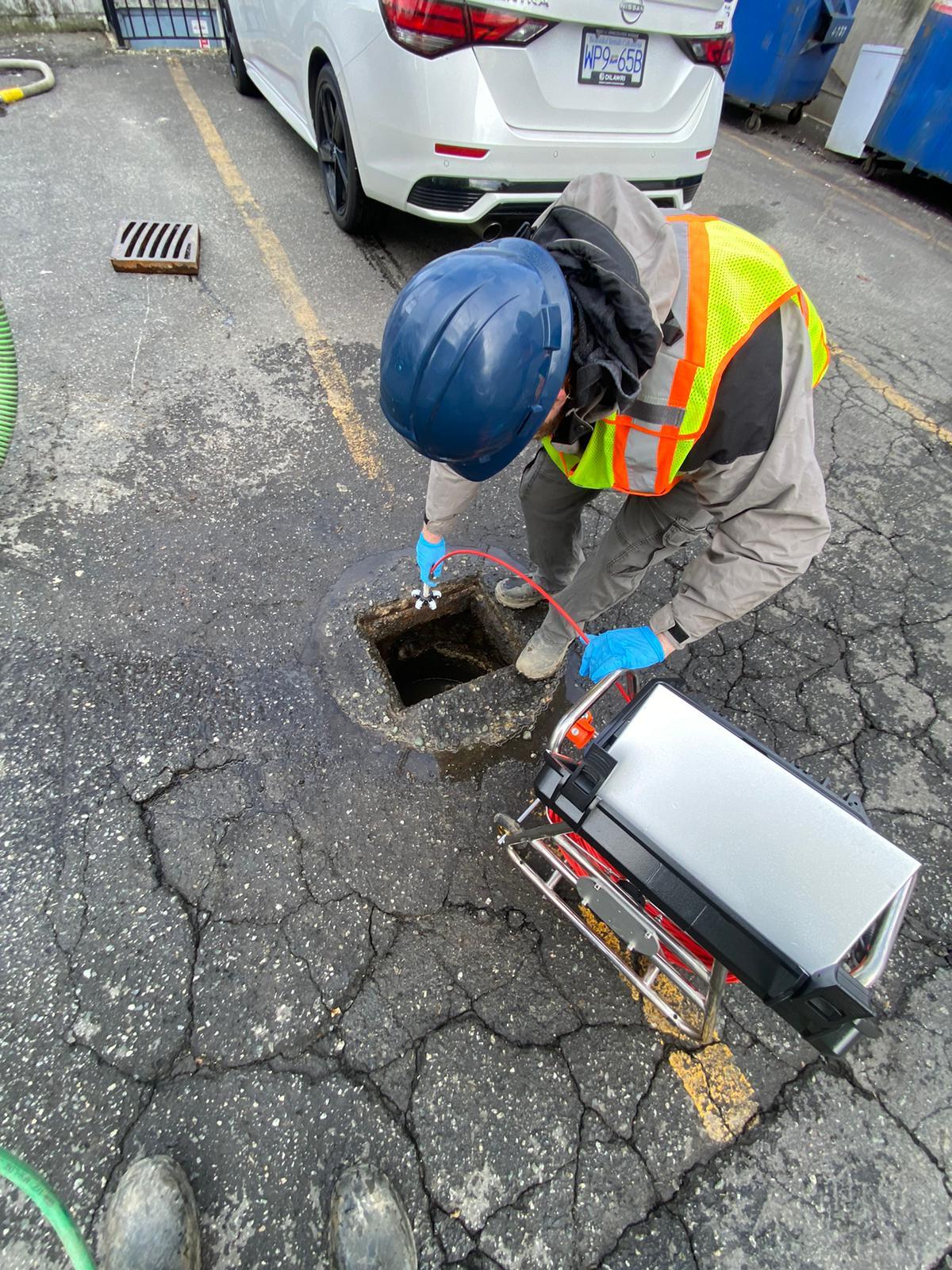
A sewage smell outside can come and go, especially around warm weather, heavy water use, or a property with older records. That does not mean every odour is an emergency, but it also should not be ignored if it is recurring, getting stronger, or tied to other septic symptoms. If the smell is inside rather than in the yard, use the indoor sewage-smell guide to separate one seldom-used drain from a broader symptom pattern.
On Abbotsford properties in Matsqui, Sumas Prairie, Bradner, Mount Lehman, Clayburn, Aberdeen, East Abbotsford, and West Abbotsford, outdoor odours are often best handled as a septic inspection and troubleshooting request first. If the tank is overdue or records are missing, septic tank pumping may also be part of the conversation.
Quick answer: when an outside septic smell needs action
The odour is recurring, strongest near the tank or field, or appears with slow drains, a septic alarm, wet grass, or unknown service history.
The tank is overdue, the last pump-out date is unknown, or the smell appears during heavy household use and the property has no recent maintenance record.
The smell is paired with sewage backing up indoors, wastewater surfacing outside, or several fixtures failing together.
Where the smell is strongest matters
When you submit a request service form or call, the location of the odour is more useful than a guess about the cause. Note whether the smell is strongest near a tank lid, pump chamber, cleanout, drain field, low area of the yard, basement drain, crawlspace, ditch, or driveway access point.
If the smell is strongest around the field or a wet area, pair this guide with the wet spots over the septic field article. If odours keep returning after a recent pump-out, the recurring septic symptoms guide may be the better fit.
Questions that help route the request
You do not need technical septic language. A good request explains what you smell, when it happens, and what else is happening on the property.
- Your Abbotsford area or neighbourhood, such as Matsqui, Sumas Prairie, Bradner, Mount Lehman, Clayburn, Aberdeen, East Abbotsford, or West Abbotsford
- Where the odour is strongest: tank, lids, field, drains, basement, yard, ditch, or near a specific access point
- Whether the smell is constant, occasional, stronger after heat, stronger after rain, or stronger after laundry, showers, guests, or irrigation
- Whether toilets, tubs, showers, or floor drains are slow or backing up
- Whether a septic alarm is sounding or has gone off recently
- Whether the ground is wet, unusually green, soft, or showing surfacing wastewater
- Last known pump-out date, inspection history, and whether you are a new owner with missing records
- Access notes: gate codes, pets, livestock, soft ground, parking limits, hidden lids, or long driveway details
Why odour is not always just a pumping question
Pumping is a clear request when the tank is due or records are missing. But odour can also point to a venting issue, high water, overloaded use, field stress, a pump or alarm concern, damaged access, or another symptom that needs inspection-oriented context. That is why a form that simply says “septic smell” is less useful than a form that explains where, when, and what else is happening.
If the smell appears with an alarm, use the septic alarm guide as a companion. If several drains are slow or toilets and showers are backing up together, treat the issue as more urgent and review the backup response guide.
What to do while waiting for a callback
Keep the situation simple and safe. Reduce extra water use if the odour is active or paired with slow drains. Avoid opening tanks, entering confined spaces, touching electrical controls, or walking through contaminated wet areas. Take photos of visible surface symptoms from a safe distance if that helps explain the location.
For non-active odours, gather service records and write down the timing. For example: “strongest near the side-yard lid after laundry,” “noticeable at the field after hot afternoons,” or “returned two weeks after pumping.” Those notes help distinguish a maintenance planning request from a troubleshooting request.
When to call instead of only using the form
Use the form for recurring odours, unknown maintenance history, or inspection planning when the situation is stable. Call when the odour is part of an active problem: sewage backing up indoors, wastewater surfacing outside, several fixtures failing together, or a strong smell with drain trouble. Those facts should still be included in the online request if you submit one, but a call is better for urgent triage.
For routine planning, the septic maintenance page can help organize pump-out timing and records. For active symptoms, start with emergency septic service or call (778) 312-3314.
Need help with a septic smell in Abbotsford?
Use the request service form to describe the odour location, timing, symptoms, service history, and access details. If sewage is backing up, wastewater is surfacing, or several fixtures are failing together, call (778) 312-3314 for the fastest triage.