
Buying an Abbotsford acreage with septic: what to request before closing
A recent pump-out receipt does not answer every condition question about a septic system. Before buying an acreage or rural-edge home, gather the records, note current symptoms, confirm tank and field access, and ask what the proposed inspection will actually include.
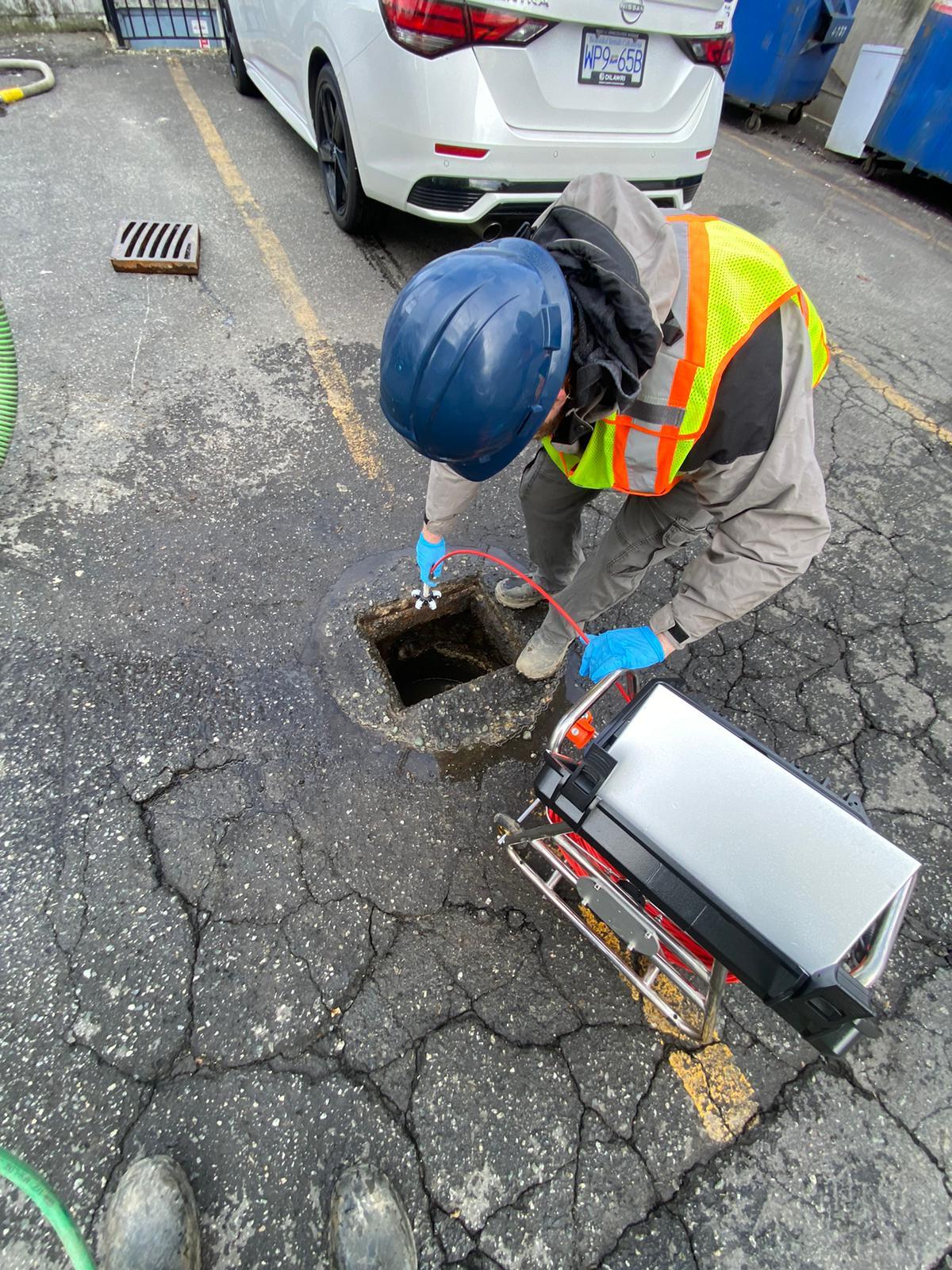
Quick answer: before removing a septic-related condition or reaching closing, request septic inspection and troubleshooting with the property records, current symptoms, transaction date, and any requested report scope attached. Do not assume that routine pumping, a seller’s receipt, or a general home inspection confirms the condition of the tank, pump components, piping, or dispersal field.
This is especially relevant for acreages and rural-edge properties in Matsqui, Sumas Prairie, Bradner, Mount Lehman, Clayburn, Aberdeen, East Abbotsford, and West Abbotsford, where system age, buried access, long driveways, incomplete records, and past land use can add practical questions before purchase.
Start by confirming what service you actually need
You need current information about the system before a transaction decision. Confirm the inspection scope, deliverables, timing, and access before booking.
The purchase has closed, the system is stable, and the last confirmed service date is due or unknown. Start a clear maintenance record for the property.
Sewage is backing up, wastewater is surfacing, or several fixtures have stopped draining. Treat the active symptom first rather than waiting on transaction paperwork.
Ask for the septic records before the site visit
Request every available document early enough to review it before the inspection appointment. Useful records may include pump-out invoices, prior inspection notes, repair receipts, permits or installation information, tank-location sketches, and service notes for pumps, alarms, or treatment components.
- Date and scope of the last confirmed pump-out
- Previous inspection, repair, or troubleshooting notes
- Known tank, pump chamber, distribution component, and field locations
- System age or installation information, if available
- Any past alarm, backup, odour, wet-ground, or slow-drain history
- Changes in occupancy, additions, renovations, or water use that may affect context
Missing records do not diagnose a problem, but they should be stated plainly. “No service records available” is more useful than an unverified estimate. If you become the owner, the new homeowner septic checklist can help you build a reliable record from that point forward.
A pump-out receipt is not the same as an inspection
Septic tank pumping removes accumulated tank contents as part of maintenance or service. A pre-purchase inspection is meant to address an agreed condition question and may involve a different scope. One should not be described as proof of the other unless the provider has explicitly confirmed what was inspected and documented.
If the seller recently arranged pumping, ask for the invoice and any service notes. The date is useful, but it does not by itself explain an alarm, recurring odour, wet area, multiple slow drains, damaged access, or a concern about the field. Use the pumping-versus-inspection guide when the service terms are getting mixed together.
Confirm the inspection scope and deliverable
“Inspect the septic” can mean different things to a buyer, agent, lender, home inspector, and service provider. Before the appointment, state what decision the inspection needs to support and ask what the available service includes. If a written report, photos, testing, component access, or a transaction-specific form has been requested, share that exact requirement in advance.
- Which accessible components are included in the proposed scope?
- Does the requested work require tank lids or other access points to be exposed beforehand?
- Will the service produce written notes, photos, or another stated deliverable?
- Are there known limits because components are buried, inaccessible, unsafe, or outside the agreed scope?
- Does pumping need to be coordinated separately, and if so, when?
- Can the service and deliverable fit the subject-removal or closing timeline, subject to availability?
Do not wait until the visit to mention a lender, insurer, agent, or contract requirement. The service provider needs the wording in advance to say whether the requested scope is available. For legal or transaction advice, rely on your real-estate and legal professionals; this checklist is for organizing the septic service request.
Walk the property for clues without disturbing the system
You do not need to open tanks, touch electrical controls, or diagnose the system. From a safe distance, note where the tank and field are believed to be and whether the property shows warning signs that should be included in the request.
- Recurring sewage odour near the home, tank, field, or yard
- Wet, soft, or unusually green ground over the suspected field area
- A septic alarm light or history of alarm events
- Gurgling, slow drains, or drainage changes affecting several fixtures
- Recent backup, surfacing wastewater, or evidence of repeated cleanup
- Vehicle traffic, structures, landscaping, or drainage changes near the field area
Photograph visible conditions without entering restricted areas or opening the system. The guides to wet spots over a septic field and septic alarms explain how to describe those symptoms without guessing at a cause.
Confirm practical access before booking
On an Abbotsford acreage, inspection timing can be affected by whether the tank is located, the lids are accessible, the driveway can accommodate service access, and the current owner can provide entry. Share these details before scheduling rather than assuming they can be resolved on arrival.
- Known or approximate tank and field location
- Whether lids are visible, buried, locked, or otherwise inaccessible
- Driveway width, grade, surface condition, turning space, and overhead clearance
- Locked gates, tenant notice, pets, livestock, or restricted areas
- Soft ground, irrigation, recent excavation, or other property conditions
- The buyer, seller, agent, or other contact who can authorize access
The Abbotsford service-access checklist has more detail about lids, gates, driveways, and property notes, even when the initial request is for inspection rather than routine pumping.
Do not let active symptoms wait for closing
If sewage is backing up indoors, wastewater is surfacing outside, several fixtures have stopped draining, or conditions worsen while water is used, reduce unnecessary water use and call for urgent triage. Use the emergency septic service path instead of treating the issue as a routine pre-purchase appointment.
After a stable purchase, use the septic maintenance page to set up records and future service planning. A purchase date is a useful start for your file, but it does not replace the last confirmed pump-out, inspection, or repair date.
What to include in a pre-purchase service request
A complete service request helps identify whether the job is a pre-purchase inspection, post-purchase maintenance reset, or urgent symptom call.
- The Abbotsford property area and full service location
- Your subject-removal, inspection, or closing date
- The exact requested inspection scope or deliverable, if one has been specified
- Available pumping, inspection, repair, permit, and system-location records
- Any odour, alarm, wet ground, gurgling, slow drains, backup, or surfacing wastewater
- Known tank and field locations plus driveway, gate, pet, livestock, or tenant access notes
- The person who can approve and provide access to the property
Review the Abbotsford service-area page and send the request early enough for the proposed scope and timing to be confirmed. Appointment availability and transaction deadlines should never be assumed.
Need a septic inspection for an Abbotsford property purchase?
Use the request service form to share the property location, transaction timing, available records, current symptoms, access details, and requested inspection deliverable. If sewage is backing up, wastewater is surfacing, or several fixtures have stopped draining, call (778) 312-3314 for urgent triage.