
Should you pump your septic tank before fall rain in Abbotsford?
Book routine pumping before wetter weather when the tank is due, the service history is unknown, or your maintenance plan calls for it. Do not pump only because rain is forecast: a pump-out does not repair a stressed disposal field, and an alarm, recurring odour, wet area, or multi-fixture drainage problem may need inspection instead.
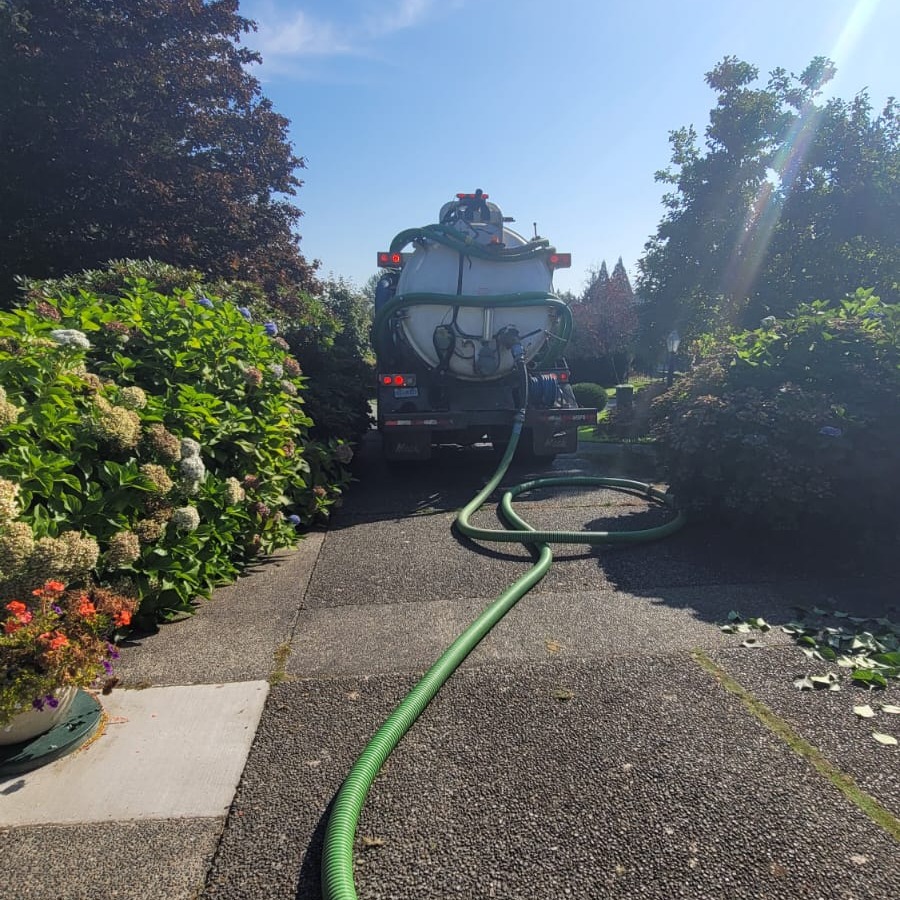
Late summer is a practical time to review septic records on properties in Matsqui, Sumas Prairie, Bradner, Mount Lehman, Clayburn, Aberdeen, East Abbotsford, and West Abbotsford. The goal is not to chase every wet-weather forecast. It is to handle known routine maintenance while access is workable and identify symptoms that deserve troubleshooting before they are mixed together with ordinary fall rain.
Quick answer: pumping, inspection, or urgent help?
When pre-fall septic pumping makes sense
A forecast is not a maintenance schedule. Use what is known about the property first. A routine septic tank pumping request is a reasonable next step in these situations:
- The maintenance plan or prior service recommendation says the tank is due. Follow property-specific records where they are available.
- The last confirmed pump-out date is unknown. This is common after a move or when records did not transfer with an acreage.
- Household use has changed. A suite, more residents, frequent guests, or heavier laundry and water use can make an old schedule less useful.
- Seasonal access becomes difficult. Long rural driveways, soft lawns, gates, slopes, livestock areas, or buried access can require more planning once the ground is wet.
- You are already organizing fall maintenance. Combining the request with accurate tank-location, service-history, and access notes creates a more useful record for the property.
If you are unsure whether the tank is actually due, review the Abbotsford acreage pumping-frequency guide and the septic maintenance page before requesting service.
What a pump-out can—and cannot—address
Routine pumping removes accumulated material from the tank and is part of normal septic maintenance. It can also establish a dated service record when the history is missing. Wet-weather trouble can still occur after a pump-out if another part of the system or the surrounding site conditions are involved.
A pump-out does not dry saturated soil, restore a damaged disposal field, diagnose every alarm, repair a blocked or damaged line, or explain why symptoms returned soon after recent service. If odours, alarms, wet areas, or drainage symptoms are already happening, include them in the request so the job is not routed as maintenance only.
Do not confuse routine fall rain with flood conditions
Planning routine service while the site is dry is different from pumping when flooding is imminent or the tank area is already inundated. Fraser Health flood guidance advises against pumping a septic tank or treatment plant when flooding is imminent because an emptied tank can float or fracture unless specifically engineered for those conditions.
If floodwater is present, the ground is saturated around the tank, or safe vehicle access is uncertain, do not open the tank or assume an immediate pump-out is appropriate. Describe the actual site conditions and request professional triage. For post-rain symptoms without active flooding, use the companion guide about septic backup symptoms after heavy rain in Abbotsford.
Choose inspection when symptoms are already present
Fall planning should change from routine pumping to septic inspection and troubleshooting when the pattern suggests more than an overdue tank. Useful warning signs include:
- A septic or high-water alarm that sounds or returns
- Sewage odour near the tank, field, drains, or home
- A wet, soft, or unusually green patch over the known field
- Several fixtures draining slowly or gurgling together
- The same problem returning after a recent pump-out
- Symptoms that reliably appear after laundry, guests, storms, or other heavier water use
Those details help distinguish routine maintenance from a problem that may need to be observed onsite. If a pump-out was recent, see when another pump-out is not enough for recurring symptoms.
Prepare the property before wetter access conditions
You do not need to expose lids or diagnose the system yourself. The most useful preparation is accurate information and safe access planning:
- Find the last pump-out, inspection, and maintenance records.
- Confirm the tank and disposal-field locations from records if possible.
- Note gates, pets, livestock, slopes, narrow driveways, parking limits, and long hose-distance concerns.
- Explain which areas become soft or hold water after rain.
- Keep vehicles and heavy equipment off the disposal field.
- Do not enter a tank, remove an unsafe lid, or handle electrical controls.
- List every current symptom, even if the request started as routine pumping.
Use the printable Abbotsford septic service history worksheet to keep service dates, symptoms, tank and field locations, and access notes together before you call or submit the form.
The septic pumping preparation checklist has more detail about tank access, driveway notes, and what to share before a service visit.
When to call instead of waiting for routine service
Do not wait for the next dry day if sewage is backing up indoors, wastewater is surfacing outside, or multiple fixtures stop draining together. Reduce non-essential water use, keep people and pets away from wastewater, and use the emergency septic service path. Call (778) 312-3314 and describe what is active now.
An alarm, odour, wet patch, or repeat drainage problem without an active backup still deserves a clear form request. Include whether it is happening now, whether rain changes it, and whether the system was pumped recently.
What to include in your Abbotsford service request
Use the request service form for routine pumping or stable inspection concerns. A short, specific request helps route the job better than “pump before rain.” Include:
- Your property address and Abbotsford area
- The last confirmed pump-out date, or “unknown”
- Whether you are requesting routine maintenance or reporting a symptom
- Any alarm, odour, wet area, slow drain, gurgling, or backup
- Whether a previous pump-out or inspection happened recently
- Tank, lid, disposal-field, driveway, gate, and soft-ground access notes
- Whether flooding, standing water, or an unsafe access condition is present
For more local context, see the Abbotsford septic service-area page.
Plan the right septic service before wetter weather
If the tank is due or records are missing, use the request service form for pumping. If an alarm, odour, wet area, or recurring drain issue is present, request inspection and describe the pattern. For sewage backing up, surfacing wastewater, or multiple failed fixtures, call (778) 312-3314 for urgent triage.