
Septic pumping cost in Abbotsford: what affects the quote?
An accurate septic pumping quote depends on the actual service scope—not only the property address. Tank information, access, lid location, site conditions, and whether the job is routine maintenance or active troubleshooting can all change what needs to be planned. Share those details up front to get a more useful response.
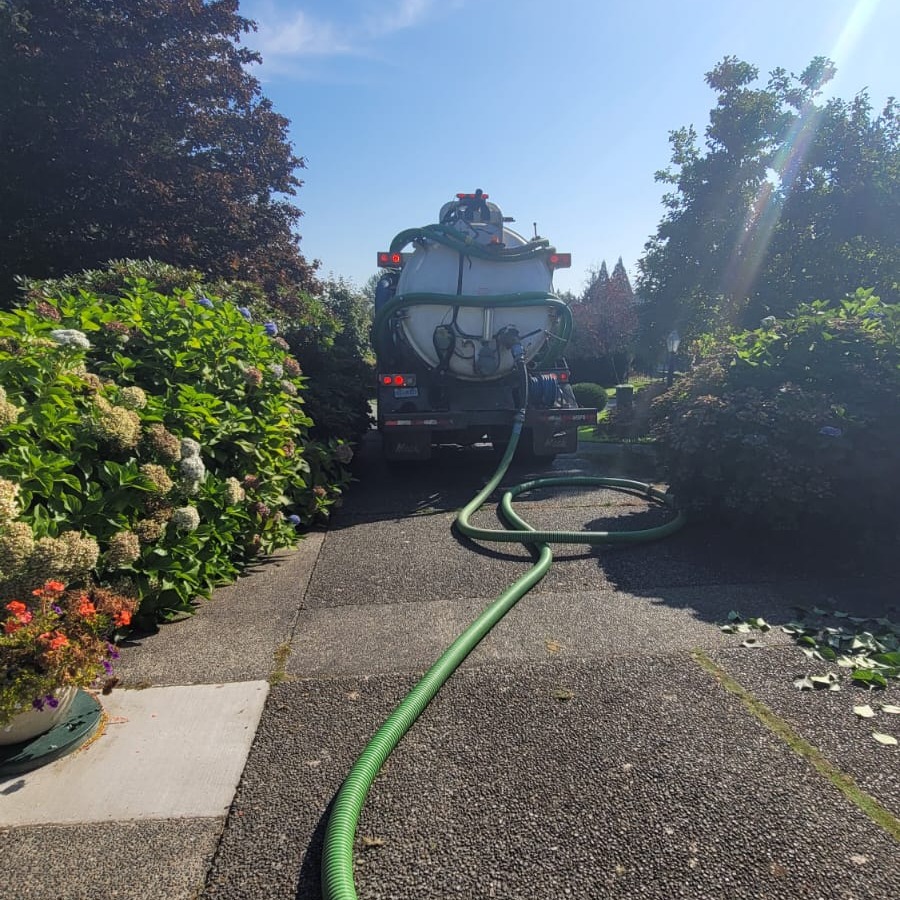
Homeowners often want a simple septic tank pumping price before booking. That is understandable, but one flat number can be misleading when Abbotsford properties range from compact homes to acreages in Matsqui, Sumas Prairie, Bradner, Mount Lehman, Clayburn, Aberdeen, and the rural edges of East and West Abbotsford.
The practical goal is to identify whether the request is a straightforward routine pump-out and provide enough site information to scope it properly. This guide explains the quote factors worth checking before you call or use the online form. It does not publish an unsupported price range because the final scope needs to match the property and current condition.
Quick answer: what may affect a septic pumping quote?
1. Tank details and the work being requested
A useful request starts with what you know about the system. If records identify the tank location, approximate capacity, number of compartments, or previous service recommendations, include them. If you do not know, say “unknown” rather than guessing.
HealthLink BC’s onsite sewage maintenance guidance recommends keeping accurate system drawings and following the property’s maintenance plan. Those records also give a pumping provider better context than an assumed tank size or service date.
The requested scope matters too. Routine septic tank pumping for a stable system is different from asking someone to investigate an alarm, recurring odour, wet field area, damaged access lid, or drainage problem. Those symptoms may point toward inspection and troubleshooting in addition to—or instead of—a maintenance-only pump-out.
If the tank was pumped recently and the same symptom has returned, give the date and describe what changed afterward. Another pump-out should not be assumed to diagnose a recurring problem.
2. Whether the tank and lids are easy to locate
Known, accessible lids make planning easier. Buried, landscaped-over, damaged, or uncertain access can require a different setup. Tell the service team whether:
- You have a site plan, prior invoice, photo, or marker showing the tank location.
- The lids are visible at grade or believed to be buried.
- More than one lid or compartment was serviced previously.
- A deck, shed, fence, garden, retaining feature, or heavy landscaping is near the expected tank area.
- A lid appears cracked, loose, unsafe, or difficult to reach.
Do not enter a tank or remove a lid that is heavy, damaged, or unsafe. Septic tanks are confined spaces and should not be entered by homeowners. The useful step is to provide records and clear photos of the surrounding area when requested.
3. Vacuum-truck access and hose distance
Access is especially property-specific on Abbotsford acreages. A quote request should describe where a vacuum truck can safely stop relative to the tank. Mention long or narrow driveways, tight turns, low branches, overhead obstructions, gates, steep grades, parking restrictions, livestock areas, or soft shoulders.
Do not promise access across a lawn or field without describing ground conditions. Late-summer dust can turn into soft ground quickly after fall rain, particularly in low-lying areas. The final access decision depends on the actual site and equipment requirements.
4. Digging, clearing, or other access preparation
If lids are below grade, covered by soil, or obstructed, access preparation may affect the service scope. Do not dig blindly: buried utilities, electrical components, pipes, irrigation, and the tank itself can be damaged.
Instead, say whether the lids were exposed for the last pump-out, whether risers are present, and whether you have accurate location records. Ask what preparation is appropriate before changing the site. The Abbotsford pumping preparation checklist covers access notes in more detail.
5. Current site and weather conditions
Standing water, saturated ground, flooding, snow, ice, construction, or blocked driveways can affect safe access and the appropriate service plan. Routine pumping before wet weather is different from pumping when a tank area is already inundated.
If flooding is imminent or present, describe it clearly rather than submitting a routine maintenance request. Do not open the tank. For wet-weather symptoms, review the guide to septic backups after heavy rain in Abbotsford and request professional triage based on what is active now.
6. Routine maintenance versus urgent troubleshooting
Price-shopping for a routine pump-out is not the right first step when sewage is backing up indoors, wastewater is surfacing outside, or multiple fixtures stop draining together. Reduce non-essential water use, keep people and pets away from wastewater, and use the emergency septic service path. Call (778) 312-3314 and describe the active symptoms.
An alarm, recurring odour, repeated wet patch, or several slow drains without an active backup still deserves a clear inspection request. Say whether the symptom is active now, whether rain or laundry changes it, and whether the system was serviced recently.
How to request a more useful pumping quote
Use the request service form with septic pumping selected and include the details that are known. A short checklist helps avoid a vague “How much to pump?” exchange:
- Property address and neighbourhood or rural area
- Last confirmed pump-out date, or “unknown”
- Tank size, compartments, and location if shown in reliable records
- Whether lids are visible, buried, damaged, or uncertain
- Approximate distance and route from a practical truck stopping point to the tank area
- Driveway, gate, slope, branch, parking, pet, or livestock constraints
- Soft ground, standing water, flooding, construction, or other site conditions
- Every current alarm, odour, wet area, slow drain, gurgle, or backup
- Photos of access and the tank area if the service team asks for them
The Abbotsford septic service history worksheet is a printable way to collect dates, symptoms, system locations, and access notes before making the request.
Questions to ask before accepting a septic pumping quote
Clear scope is more useful than comparing a headline number with missing details. Ask what the quote assumes and whether it includes the work you actually described. Useful questions include:
- Is this scoped as routine pumping only, or does it account for the symptoms I reported?
- What tank-access assumptions are included?
- Should lids be left as they are until the site is assessed?
- Could driveway, hose-distance, or soft-ground conditions change the plan?
- What information should I have ready on the service date?
- Will the completed service be documented for my maintenance records?
If the main question is whether pumping is due at all, read how often Abbotsford acreage septic tanks should be pumped and review the septic maintenance page.
Request an Abbotsford septic pumping quote with the right details
Use the online service form with septic pumping selected for a stable routine pumping request. Include tank records, lid and driveway access, site conditions, and any current symptoms. If sewage is backing up, wastewater is surfacing, or multiple fixtures stop draining together, call (778) 312-3314 for urgent triage.