
Can't find your septic tank lids? What Abbotsford owners can do before pumping
You do not need to find or uncover the lids yourself before asking for septic pumping. Check your records, note any clues you can see safely from the surface, and say clearly in the request that the lid location is unknown. Then ask whether locating or uncovering access is part of the visit or needs to be arranged separately.
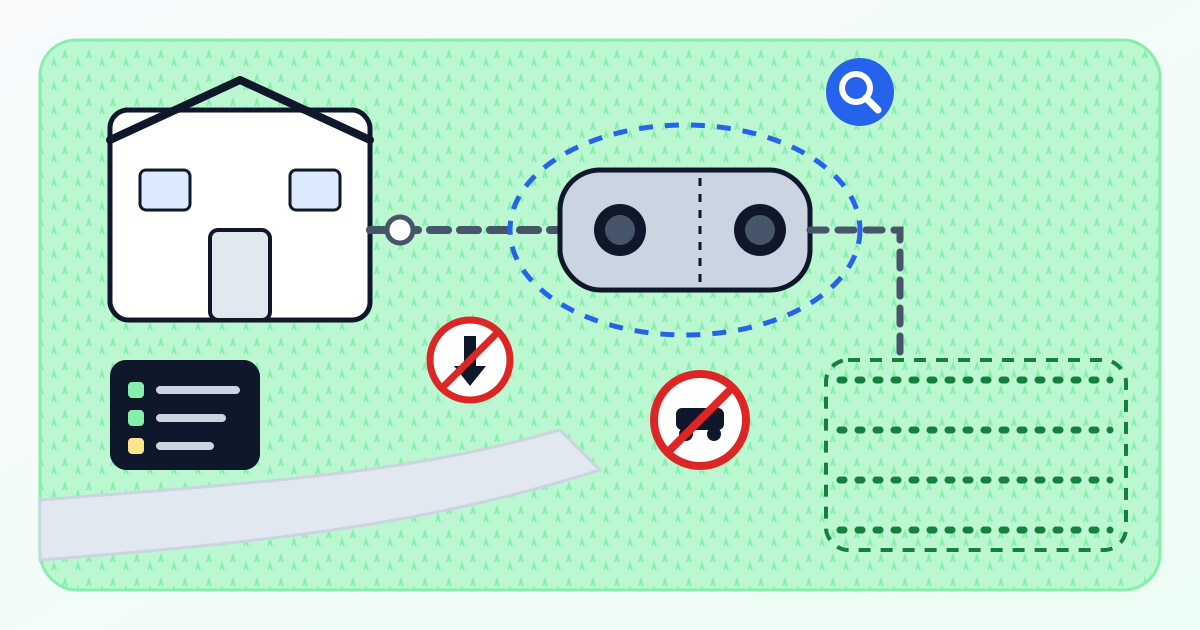
Quick answer: if the system is working normally and you only need a routine septic tank pumping visit, an unknown lid location is a planning detail, not an emergency. Collect what records you have, describe the property, and request pumping with “lid location unknown” in the notes. If sewage is backing up indoors, wastewater is surfacing, or several fixtures have stopped draining, skip the search and call for urgent triage.
Buried or overgrown lids are common on older homes and acreages in Matsqui, Sumas Prairie, Bradner, Mount Lehman, Clayburn, Aberdeen, and East and West Abbotsford, especially after landscaping, additions, new fencing, or a change of ownership. Sorting this out before the appointment can avoid confusion on the day.
Why the lid location matters for a pumping visit
The tank is pumped through its access openings. If nobody knows where they are, or they are under soil, a deck, a garden bed, or a paved area, the visit may need extra time and the scope may change. Some tanks have more than one access lid or compartment, and some systems also have a pump chamber. Knowing what you have helps the service team plan the work and explain what the quote covers.
An unknown location does not always mean a problem with the system. It does mean the request should say so honestly instead of guessing.
Step 1: check the records you may already have
- Past pump-out invoices or service notes, which sometimes record lid location, depth, or tank size
- Home purchase documents, pre-purchase inspection reports, or disclosure notes
- Sketches, permit or filing documents, or a record drawing left by a previous owner
- Photos from earlier service visits, renovations, or landscaping work
- The service-history worksheet, if you have started one
If you have nothing on file, Fraser Health provides a sewerage system file information request for property owners. Fraser Health notes that it cannot guarantee a file will be found or that any diagram will be accurate, so treat any document as a starting clue, not proof of where the tank sits today. Check the current form for fees and submission options.
Step 2: look for clues from the surface, safely
Walk the yard without digging, probing, or lifting anything. Things worth noting:
- Where the main drain or plumbing cleanout appears to leave the house
- Low rectangular areas, patches of grass that dry out or green up differently, or areas where snow melts first
- Risers, plastic or concrete covers, or inspection ports at ground level
- An alarm panel or control box, which can suggest a pump chamber
- Garden beds, decorative rocks, or decking that may have been built over an access point
Take photos from where you are standing and add them to your notes if the team asks for them. Surface clues can point in the right direction, but they can also mislead; a wet or lush patch can come from rainwater, a downspout, or other drainage.
What not to do while searching
If you suspect a lid is cracked, loose, or sinking, keep people away from it, mark the area from a distance, and mention it in your request. That changes the conversation from routine planning to a safety concern that should be discussed directly.
Step 3: describe access for the visit
Once you have narrowed things down, or confirmed that you cannot, describe how the work area can be reached. This matters most on rural-edge lots with long driveways and soft autumn and winter ground.
- Best guess at the tank area, or “unknown”
- Anything built or planted over the likely location
- Driveway length, gates, slopes, overhead wires, or narrow approaches
- Soft, saturated, or flooded ground near the tank or field
- Pets, livestock, or tenants who need notice
The septic pumping preparation checklist covers access in more detail. If the tank area is flooded, read the fall-rain pumping guide before booking, because flood conditions can change whether a pump-out makes sense right now.
Questions to ask when you request service
- Is locating the lids part of this visit, or does it need a separate arrangement?
- If the lids are buried, who uncovers them, and how could that affect the quote?
- Will additional compartments or a pump chamber be included or quoted separately?
- Can the lid location and depth be noted on the invoice for next time?
- Would a riser be worth discussing so future access is easier?
The pumping cost guide explains why access, locating work, and tank details can change a quote without assuming one price fits every property.
When it is not just about finding the lids
Some owners start looking for the lids because something already seems wrong. If there is a recurring odour, a septic alarm, wet ground over the field, gurgling or slow drains in several fixtures, or symptoms that returned after a recent pump-out, describe those in the request and consider septic inspection and troubleshooting instead of a routine pump-out alone. The pumping-versus-inspection guide can help you choose.
If sewage is backing up indoors or wastewater is surfacing outside, stop searching, cut back water use, and use the emergency septic service path by calling.
After the visit: record it so you never search again
Ask for the lid location to be described on the invoice if possible, and take your own photos with a measurement from a fixed point such as a house corner. Store that with the service date and notes. Owners planning long-term care can use the septic maintenance page and the acreage pumping-frequency guide to plan the next service.
A short message you can adapt
I would like to arrange septic tank pumping at my Abbotsford property. I do not know where the tank lids are. Records I have: [invoice, sketch, inspection report, or none]. Possible location clues: [what you noticed, or none]. Things over the likely area: [deck, garden, paving, or unknown]. Access: [driveway, gate, slope, ground conditions]. Current symptoms: [none, or describe]. Please let me know whether locating and uncovering access is included, how that affects the quote, and what appointment options are available.
Paste your details into the service request form. Submitting a request is an enquiry, not a confirmed booking or dispatch.
Need pumping but not sure where the tank is?
Use the request service form and say the lid location is unknown, along with any records, access notes, and symptoms. If sewage is backing up, wastewater is surfacing, or several fixtures have stopped draining, call (778) 312-3314 for urgent triage.